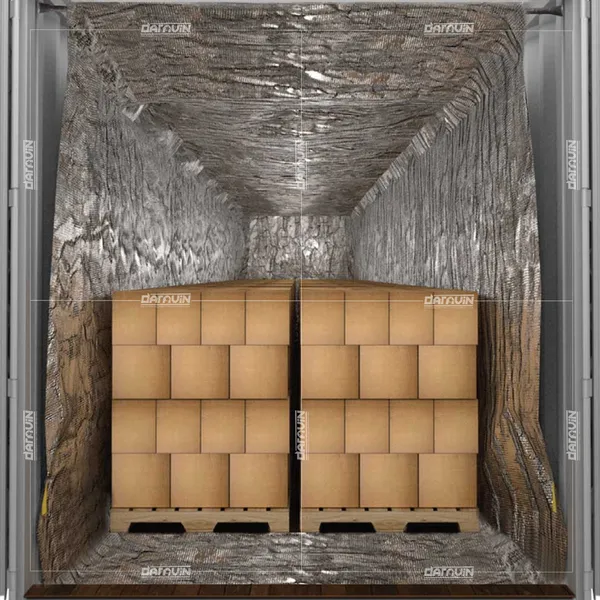
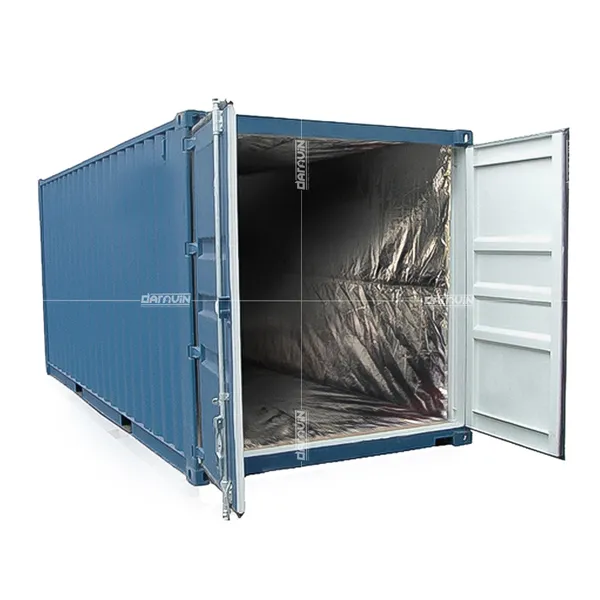
- What is a Container Thermal Liner?
- Key Features of a Container Thermal Liner
- High heat reflectivity and reduced heat absorption
- Temperature reduction and improved internal stability
- Moisture control and condensation reduction
- Designed for standard container sizes
- Cost Optimization in Transportation
- Applications of Container Thermal Liners
- Product Specifications
- Reliable Supplier of Container Thermal Liners in Ho Chi Minh City
During long-distance transportation, especially in maritime shipping, dry containers are often exposed to direct sunlight for extended periods. The steel structure of the container absorbs heat efficiently, causing internal temperatures to rise to 50–60°C or even higher during hot seasons.
Prolonged exposure to high temperatures can significantly degrade the quality of goods such as agricultural products, food, electronic components, and other temperature-sensitive consumer items. For this reason, many businesses adopt container thermal liners as a passive temperature control solution, helping to stabilize the internal environment and reduce the risk of cargo damage throughout the shipping process.
What is a Container Thermal Liner?
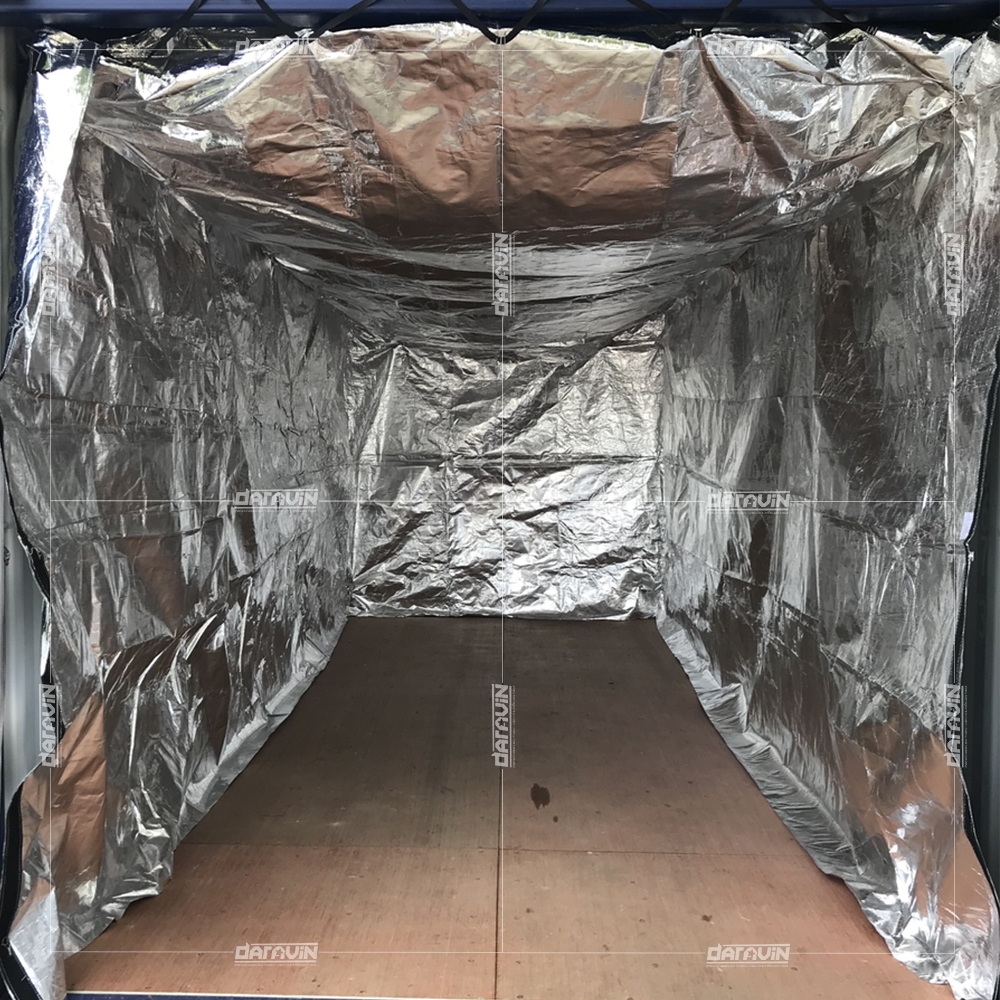
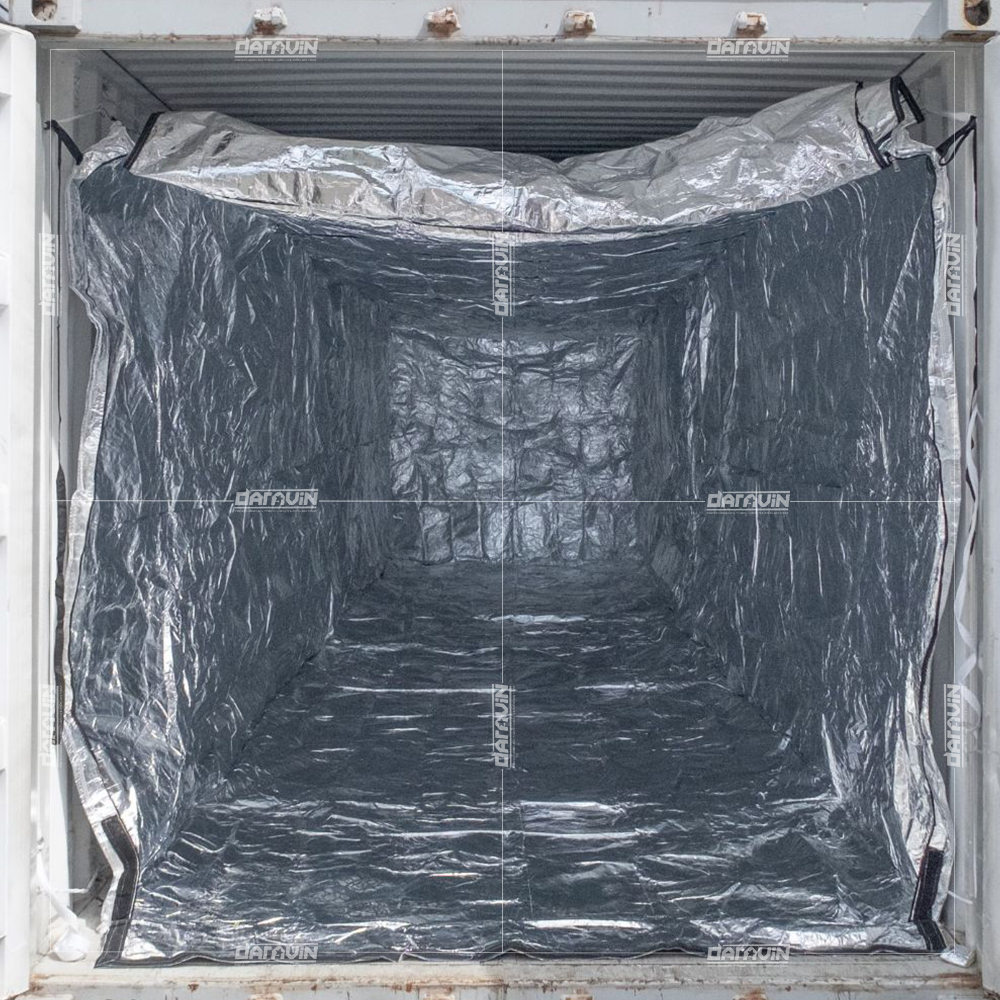
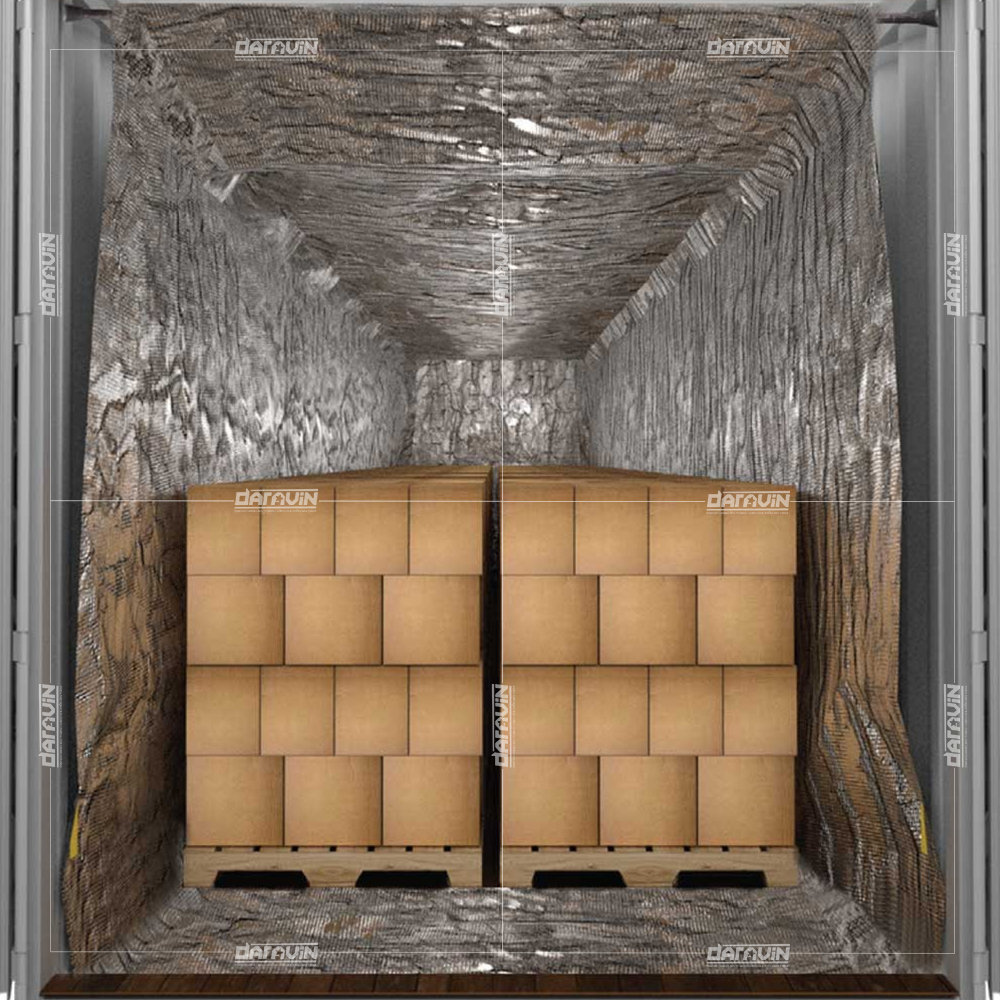
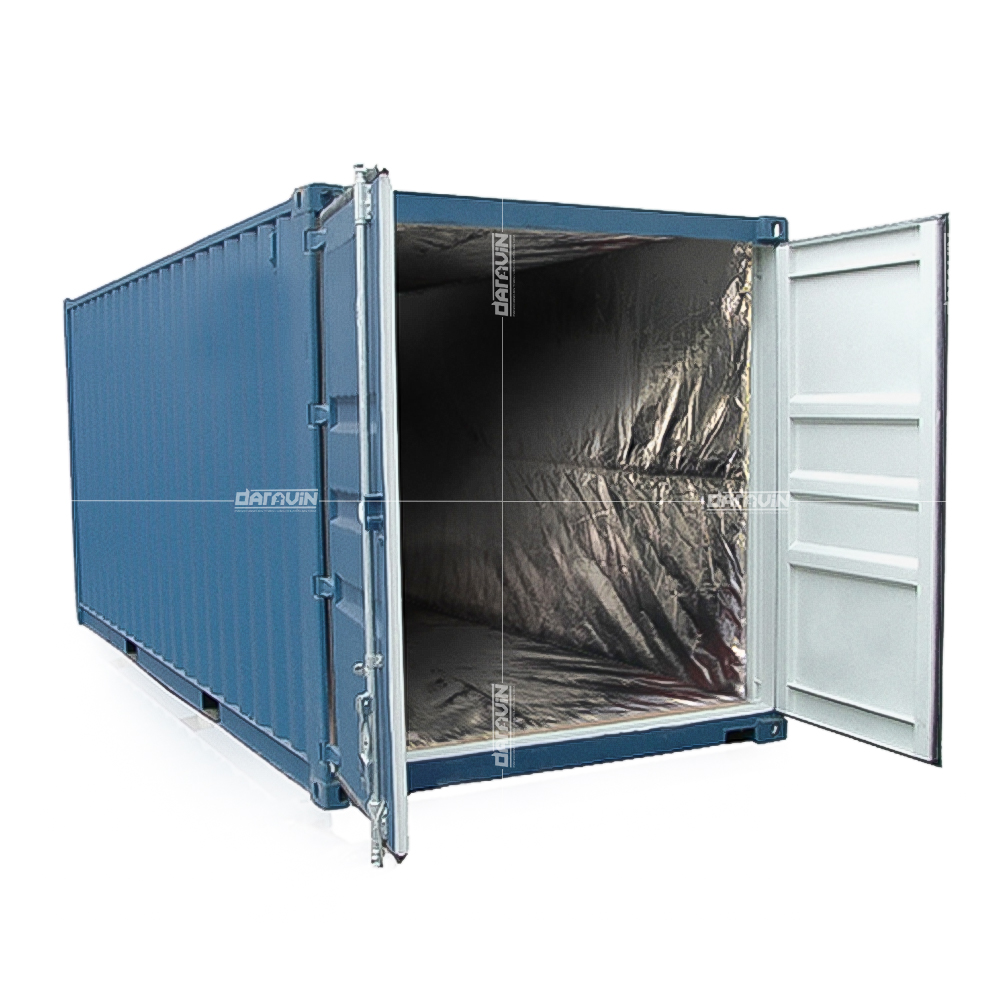
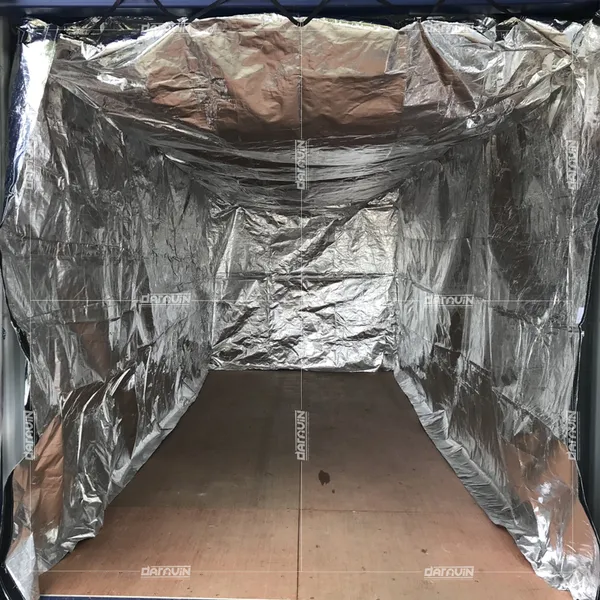
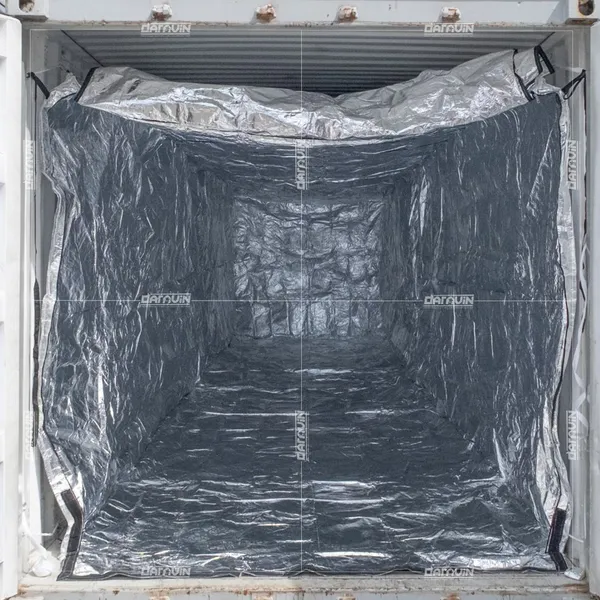
A container thermal liner is a specialized inner lining installed inside a shipping container to reduce the impact of temperature and humidity on cargo during transit. This liner creates an insulating barrier between the container’s steel walls and the goods, helping to limit heat transfer and minimize condensation buildup.
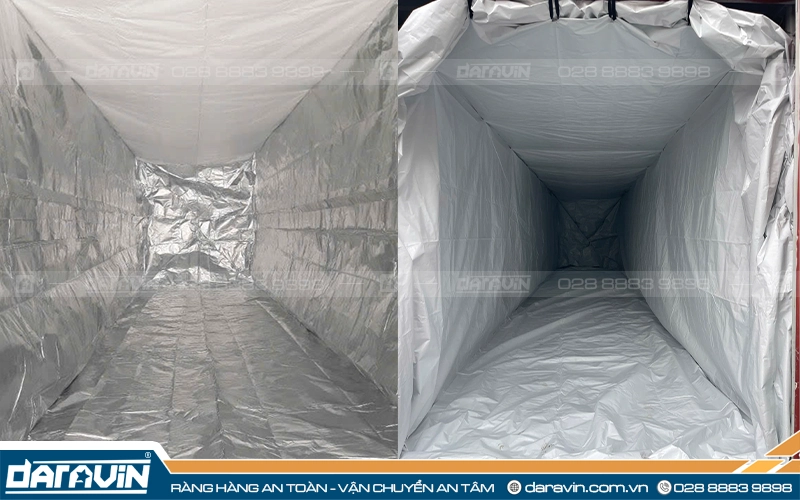
Structure of a Container Thermal Liner
A container thermal liner is typically manufactured with a multi-layer construction to combine both heat reflection and insulation performance. Depending on the design, the liner may consist of 3 to 7 material layers. Common components include:
- Aluminum foil reflective layer: This metallized layer reflects a significant portion of external radiant heat. It plays a key role in reducing heat absorption into the container interior.
- Polyethylene film layer: The PE film acts as a vapor barrier, helping to limit moisture ingress and reduce condensation inside the container when temperatures fluctuate between day and night.
- Woven polypropylene fabric layer: This reinforcement layer enhances the mechanical strength of the liner. Woven PP fabric provides high tear resistance and durability, making it suitable for handling and installation in container environments.
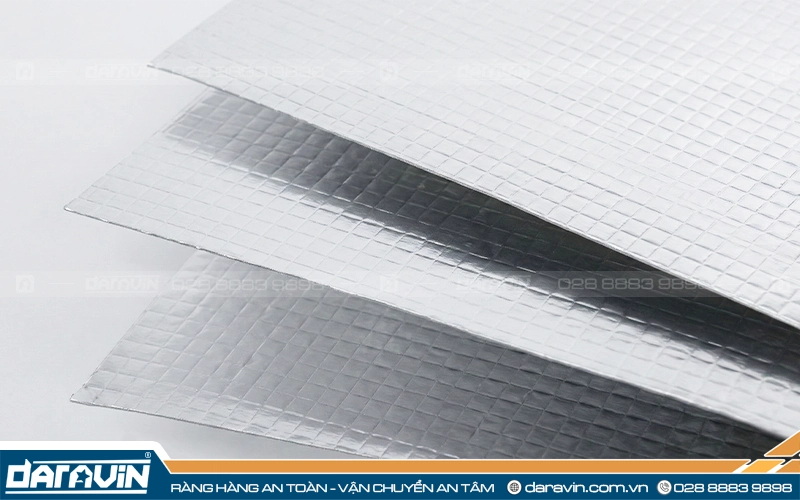
Working Mechanism of a Container Thermal Liner
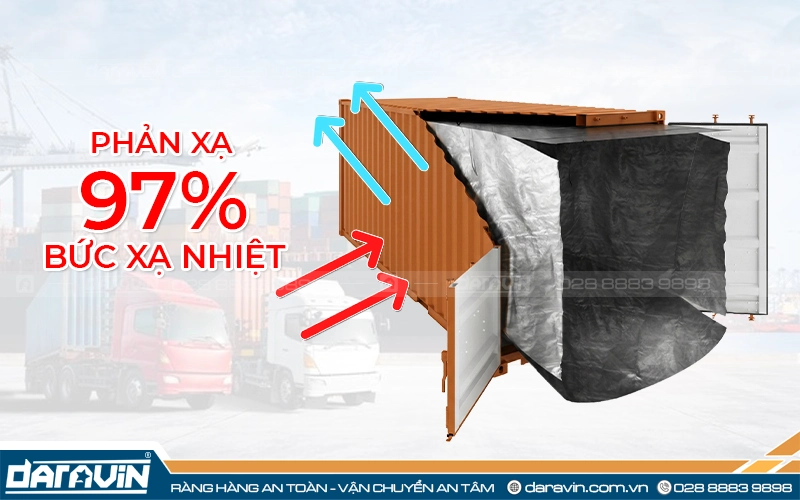
A container thermal liner works by reflecting radiant heat and reducing heat transfer from the container walls into the interior. The metallized aluminum layer reflects most of the solar radiation, while the multi-layer structure helps limit heat conduction and minimize condensation. As a result, the temperature and humidity inside the container remain more stable throughout the transportation process.
Key Features of a Container Thermal Liner
Once installed inside a container, a thermal liner forms a protective barrier that helps reduce the impact of temperature and humidity on cargo. Its design and material composition are optimized for long-distance container transportation conditions.
High heat reflectivity and reduced heat absorption
Thermal liners typically use aluminum foil or metallized PET film with a reflectivity of approximately 95–97% of external radiant heat. Combined with PE layers and reinforced woven PP fabric, the multi-layer structure helps slow down heat transfer from the container walls into the interior space.
Temperature reduction and improved internal stability
Under normal shipping conditions, container temperatures can rise to 60–70°C when exposed to direct sunlight. With a thermal liner installed, heat ingress is significantly reduced, lowering internal temperatures by approximately 8–15°C depending on weather conditions and shipping routes.
Moisture control and condensation reduction
The liner acts as a barrier between the cargo and the container walls, helping to prevent “container sweating” caused by temperature differences. This reduces condensation buildup and minimizes the risk of mold, caking, or cargo damage during extended transit.
Designed for standard container sizes
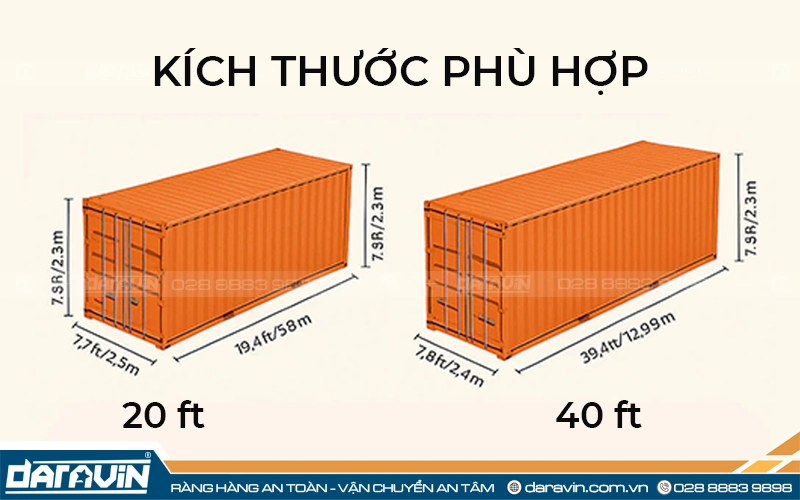
Thermal liners are manufactured to fit standard 20-foot and 40-foot containers, covering the entire interior to ensure consistent insulation. The materials are lightweight and easy to install using hooks or fastening systems, allowing for quick and efficient container preparation.
Cost Optimization in Transportation
Compared to refrigerated containers, thermal liners offer a more cost-effective solution for many types of cargo. Businesses can significantly reduce logistics costs while still maintaining stable transportation conditions for their goods.
Applications of Container Thermal Liners
Container thermal liners are widely used to protect temperature- and humidity-sensitive cargo during long-distance transportation.
- Food and beverages: Commonly used for shipping chocolate, dairy products, wine, beverages, and dry foods such as grains, flour, or milk powder.
- Pharmaceuticals: Suitable for transporting medicines, vaccines, and pharmaceutical raw materials that require a stable environment.
- Chemicals: Applied to certain chemicals, adhesives, cement, and industrial materials that are sensitive to temperature variations.
- Electronics: Helps protect electronic devices and components from high temperatures and humidity inside the container.
- Agricultural products: Frequently used for seeds, fertilizers, and agricultural goods that need protection from temperature and moisture fluctuations.
Product Specifications
| Parameter | Details |
| Material Structure | Aluminum-coated woven fabric |
| Thickness | 0.13 – 0.2 mm |
| Number of Layers | 3 – 7 layers |
| Weight | 130 – 190 g/m² |
| Dimensions | Designed to fit standard ISO 20-foot and 40-foot containers |
| Coverage Area | Covers the entire interior space including walls, roof, doors, and floor |
| Thermal Performance | Reflects up to approximately 97% of radiant heat |
| Moisture Control | Limits moisture ingress and reduces condensation |
| Installation Method | Hooks, fastening straps, or specialized adhesive tapes |
| Access Point | Opening at container door for easy loading and unloading |
| Durability | Tear-resistant, suitable for transport, reusable in some cases |
| Recyclability | Some materials can be recovered and recycled |
Reliable Supplier of Container Thermal Liners in Ho Chi Minh City
If your business is looking for a reliable supplier of container thermal liners in Ho Chi Minh City, DARAVIN is a trusted choice among logistics, export, and manufacturing companies. The brand focuses on providing cargo protection solutions for containers, helping reduce the risk of damage while optimizing transportation costs.
DARAVIN operates a manufacturing facility of over 2,000 m², allowing full control over product quality and supply. As a result, products are consistently in stock and capable of meeting large-volume orders with fast turnaround times.
DARAVIN’s solutions are widely used by transportation, warehousing, and export businesses in real-world operations to protect goods during long-distance shipping.
In addition to container thermal liners, DARAVIN also offers a range of container loading solutions such as container nets, dunnage airbags, lashing straps, and other cargo protection materials, helping businesses improve safety and overall logistics efficiency.